 Irish Rare Birds Committee
The Irish Rare Birds Committee (IRBC) is responsible for maintaining a list of the birds recorded in the Republic of Ireland and in addition , Irish territorial waters up to 12 nautical miles (nm) from the nearest land (low-water line), or, where relevant, the median point between Ireland and Great Britain.
Records of birds outside this 12nm (22.2km) limit but still within the Exclusive Economic Zone (EEZ), which extends to 200 nautical miles (370.4 km) offshore, or records outside the median point between Ireland and Great Britain, are assessed and published by the IRBC in the Irish Rare Bird Report (IRBR), but are designated as ‘At Sea’ and are excluded from the main list.
The primary function of the IRBC is the assessment of records of certain rare and scarce species. From 2004 the results are published annually in the IRBR and previously in the Irish Bird Report (IBR) from 1953 to 2003. The most recent report, which along with others is available for download through this website as PDFs. In addition the IRBR is included in Irish Birds, which is published by BirdWatch Ireland annually and is available from Wings, the BirdWatch Ireland online shop.
Beginning with the 2005 IRBR, the IRBC changed its method of record submission and assessment. Generally speaking many regularly occurring and apparently seldom misidentified rarities no longer require formal documentation (although there may be occasional exceptions). The full list of species affected are included in Appendix 2. Those species which continue to require formal documentation are listed in Appendix 1. For a full account of the background and reasons behind these changes click here.
The Committee, whose members work in an honorary capacity, operates under the auspices of BirdWatch Ireland and so therefore follows the same privacy policy. The Committee's current membership is listed here. For a short background to its origins as well as the all time list of its members click here.
Please note: This website employs the use of Google Analytics that mainly uses first-party cookies to report on the interactions of visitors to this website. These store non-personally identifiable information. Browsers do not share first-party cookies across domains. Otherwise this website does not use cookies.
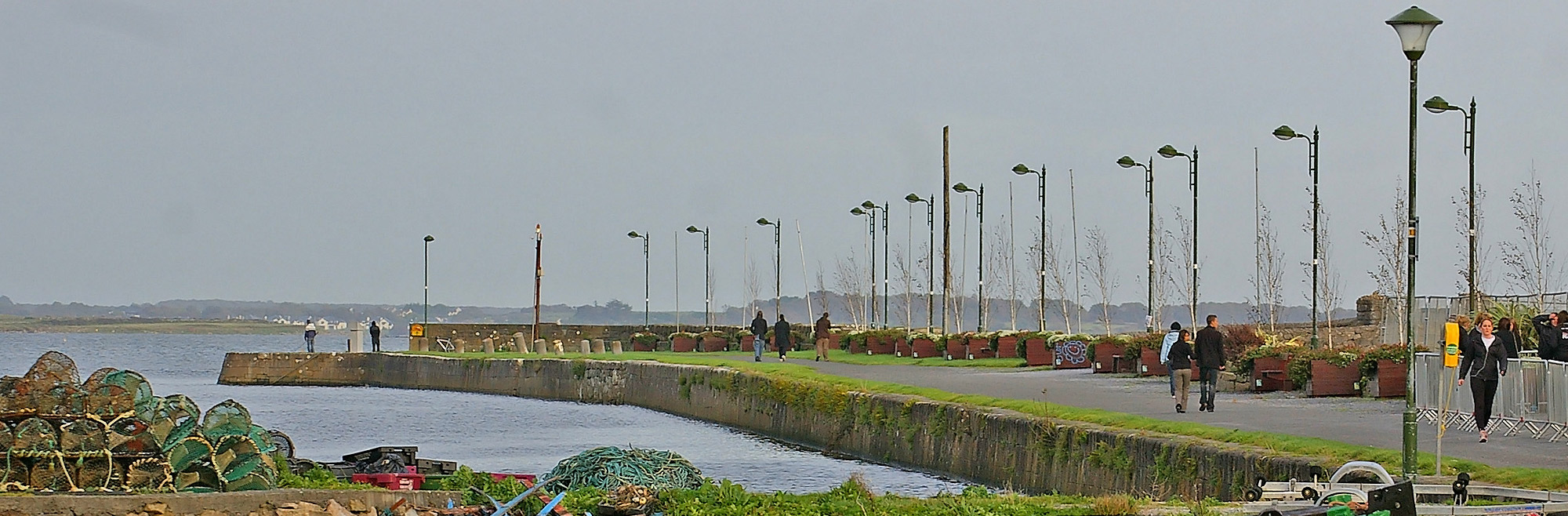
Nimmo's Pier and River Corrib, Galway.
Photo: Derek Charles.
The most recent Provisional List available for 2025.
For the 2025 Revised Rarity List with subsequent updates (Appendix 1 & Appendix 2), click here.
Please note that Java Script must be enabled in the browser for this website to function normally.
BirdWatch Ireland is the largest independent conservation organisation in Ireland dedicated to protecting Ireland’s birds and biodiversity. It is focussed on the conservation of birds and biodiversity in Ireland. It aims to target their resources effectively so that they can promote nature conservation among policy-makers and the wider public.